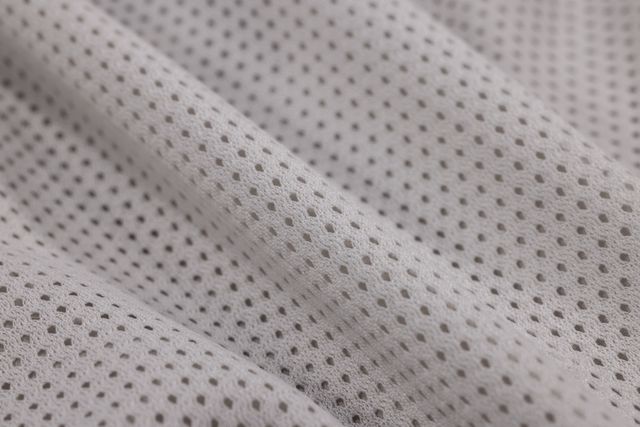
What Is Polyester?
Polyester is one of the most common fibers in clothing, sportswear, fleece, bags, and home textiles. It is a manufactured synthetic fiber, valued because it is strong, relatively easy to care for, and adaptable to many different fabric constructions.
What polyester is made from
In textile labeling, polyester refers to a long-chain synthetic polymer made chiefly from ester units. Most apparel polyester is polyethylene terephthalate, often shortened to PET. The polymer is melted, pushed through tiny holes to form filaments, then drawn and processed into yarn. It is a very different starting point from cotton, which is a natural cellulose fiber, or modal, which is regenerated cellulose.
That is why polyester has a distinct character. Its fibers can be engineered for fine, smooth yarns or bulky insulating fleece. The word on the label names the fiber, not the final performance: fabric weight, knit or weave, finishing, and blend ratio still determine how a garment feels.
Why polyester is used so widely
Polyester is resilient, holds color well, dries relatively quickly, and resists wrinkling compared with many cellulosic fabrics. Those traits make it useful in performance layers and travel clothing. Blending it with cotton can add durability and reduce drying time; blending it with elastane can improve stretch and recovery.
The trade-off is that many polyester fabrics feel less breathable or less absorbent than cotton in warm, humid conditions. That does not make polyester universally uncomfortable. A loose, lightweight technical knit and a dense polyester fleece behave very differently. For warm-weather shopping, start with fabric weight and construction, then compare the fiber mix; our summer cotton guide can help frame that decision.
Polyester and the environment
Polyester’s durability is useful, but it also comes with environmental questions. Synthetic textiles can release small fibers during wear and washing. The U.S. EPA’s interagency microfiber report describes this as an environmental issue still being studied, including the need to understand exposure and effects better. This is different from claiming that a polyester shirt is inherently unsafe to wear.
Recycled polyester can reduce demand for virgin feedstock, but it does not make every impact disappear. The most practical consumer choice is often to buy fewer pieces, choose construction that you will keep wearing, and follow care instructions that extend a garment’s useful life.
How to shop for polyester well
Do not judge a garment by fiber content alone. Feel the fabric, look at the density of the knit, check whether the seams and collar recover after a gentle stretch, and consider the intended use. A cheap, thin polyester blend can pill quickly, while a well-engineered one can be long-lasting. The same evaluation habits apply to natural fabrics; see how to spot low-quality fabric for a useful checklist.
Wash polyester in cool or warm water as the care label directs, turn printed garments inside out, and use lower dryer heat when possible. Heat can permanently affect synthetic fibers and finishes, so gentler care is usually the safer default.
Sources and further reading
The legal fiber definition is in 16 CFR §303.7. For the current federal overview of microfiber pollution, read the U.S. EPA interagency report.