What Is Modal Fabric?
Modal is often described as a soft, plant-based fabric. That is only part of the story. It starts with wood pulp, but it becomes a textile through a chemical manufacturing process, which places it in the rayon family rather than beside naturally spun fibers such as cotton or wool.
Modal is a regenerated-cellulose fiber
Cellulose is the structural material found in plants and trees. To make modal, manufacturers purify cellulose pulp, turn it into a solution, and form that solution into fine fibers. Those fibers are spun into yarn and knitted or woven into fabric. The U.S. Federal Trade Commission groups regenerated-cellulose fibers under the generic name rayon, so a care label may use “rayon” even when a brand describes the fabric as modal.
In other words, modal is not plastic, but it is not a raw natural fiber either. It is a manufactured cellulosic: plant-derived material that has been dissolved and rebuilt into a fiber. That distinction makes it easier to understand both its appeal and the questions people ask about it.
Why modal feels so smooth
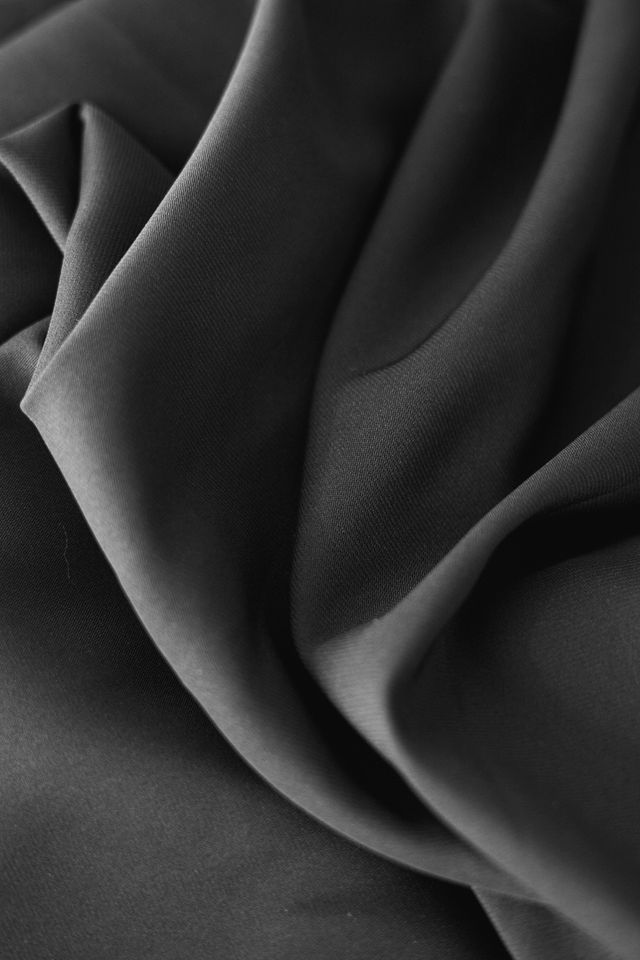
Modal is commonly used in close-to-skin clothing because it can be very smooth, fluid, and soft. It tends to drape more readily than a structured cotton jersey, which is why it appears in underwear, sleepwear, lightweight tees, and blends. The exact feel still depends on the yarn, knit, weight, finish, and what it is blended with. “Modal” alone does not guarantee a particular quality level.
If you like a substantial tee that holds a crisp silhouette, compare the fabric weight and construction as well as the fiber content. Our guides to GSM and premium T-shirt fabric explain why those details matter.
How modal is made matters
The environmental and worker-safety profile of a modal fabric cannot be determined from the word “modal” alone. The conventional viscose route used for regenerated cellulose involves chemical processing; the U.S. Environmental Protection Agency describes carbon disulfide as part of that process. Responsible sourcing, chemical recovery, wastewater treatment, and factory controls are therefore meaningful questions, not marketing footnotes.
Look for specific information about the manufacturer and its production standard rather than treating every modal garment as identical. A broad claim such as “eco-friendly modal” is less useful than a clear explanation of the pulp source and processing controls.
How to care for it
Follow the garment label first. Many modal items benefit from cool washing, a gentle cycle, and lower drying heat, especially when they are fine knits or blended with elastane. High heat and abrasion can be harder on lightweight fabrics than the fiber name suggests. Washing inside out and avoiding an overfilled machine help preserve a smoother surface.
For a practical comparison: modal usually prioritizes softness and drape, while a well-made long-staple cotton jersey often prioritizes structure and a drier hand. Neither is automatically better; the right choice depends on how and where you will wear it.
Sources and further reading
For the regulatory definition of regenerated cellulose, see the Federal Trade Commission’s rayon labeling record. For a technical outline of the viscose process, see the U.S. EPA’s regenerated-cellulose manufacturing study.