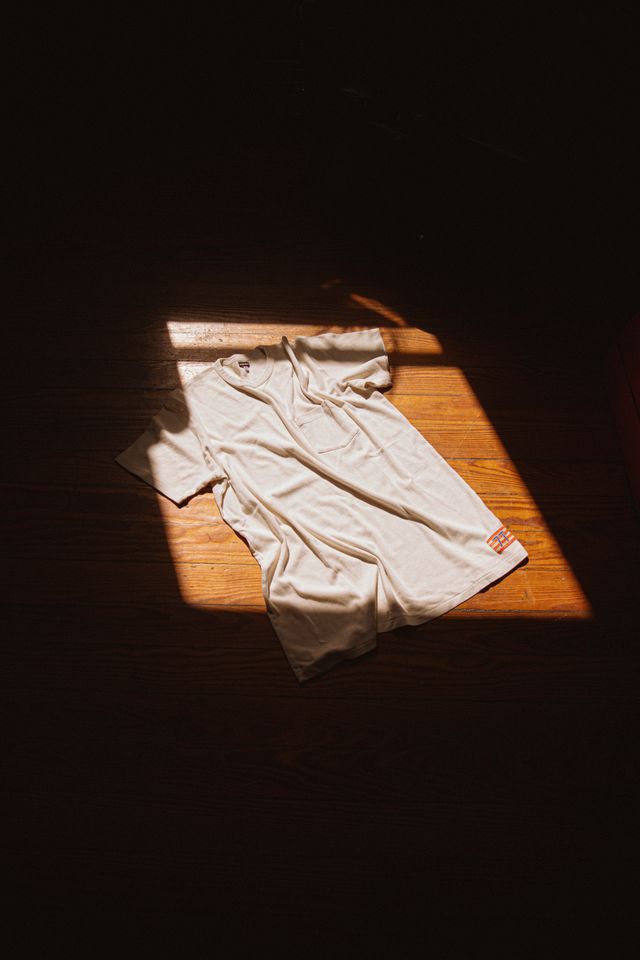
What Is Supima Cotton?
Supima cotton is a trademarked form of American-grown Pima cotton. It is known for its extra-long staple fibers, which can be spun into smooth, strong yarns and made into soft, durable fabrics. The name describes more than a soft feeling: it also points to the fiber's origin and the licensed supply chain behind the trademark.
The short answer
Supima is American-grown Pima cotton with extra-long staple fibers.
Longer fibers can be spun into smoother, more even yarns with fewer exposed fiber ends. That gives a well-made fabric a better chance of feeling soft, resisting surface fuzz, holding color, and staying comfortable over time.
The fiber is important, but it is not the only thing that determines quality. Yarn construction, fabric weight, knitting, finishing, and garment construction still matter.
Supima starts with a better raw fiber, then the rest of the supply chain determines how much of that advantage reaches the finished garment.
What “extra-long staple” means
Staple length is the average length of the individual fibers in a batch of cotton. Extra-long staple, often shortened to ELS, means the fibers are longer than those used in ordinary short- and medium-staple cottons.
Longer fibers give spinners more length to work with. They can make a more continuous yarn with fewer loose ends, which helps create a smoother surface and can improve yarn strength. This is why fiber length matters even though you cannot see the individual fibers in a finished T-shirt.
Our guide to fiber length in cotton explains the relationship between the raw fiber, the yarn, and the fabric in more detail.
What Supima cotton feels like
Supima fabric is often smooth, soft, and comfortable against the skin. Its finer, longer fibers can create a cleaner yarn surface than a fabric made from shorter fibers. In a T-shirt, that can translate into a refined hand feel without needing a heavy or stiff fabric.
Still, “Supima” is not a complete fabric specification. A lightweight single jersey, a dense interlock, and a brushed cotton knit will all feel different even if they use the same cotton. Check the fabric weight, knit structure, and finishing as well as the fiber name.
Why people choose Supima
The main appeal is the combination of softness, strength, and color retention. Longer fibers can help reduce the rough fiber ends that contribute to pilling, while smoother yarns can create a more polished surface.
Supima can also hold dye well, which helps dark and saturated colors stay attractive through repeated washing. No cotton is immune to fading or wear, however. Washing temperature, detergent, friction, drying heat, and the quality of the dyeing process all affect how a garment ages.
The value of Supima is easiest to judge over repeated wear, not just by the first touch in a store.
Supima T-shirt features
- Exceptional softness: Longer, cleaner fibers can create a smooth, fine hand feel with a subtle natural sheen.
- Strength and durability: Stronger yarns help a well-made T-shirt resist stretching, tearing, and surface wear through repeated use and washing.
- Breathability: Cotton absorbs moisture, while a breathable knit can help the shirt feel light and comfortable in warm weather.
- Color retention: Supima can take dye deeply and help rich colors stay attractive through repeated laundering, although care and dye quality still matter.
- Easy care: Supima tees generally follow ordinary cotton care: machine wash according to the label and avoid unnecessary high heat. Quality construction and pre-shrinking can further reduce distortion.
Supima vs Pima cotton
Pima is a broad term for a type of extra-long staple cotton. Supima is the trademark used for American-grown Pima cotton that moves through a licensed supply chain. In other words, Supima identifies a more specific origin and verification system, not just a general fiber category.
A label that says “Pima” may tell you something about the cotton variety, but the word alone does not tell you where it was grown or how the product was sourced. If traceability matters to you, look for the Supima® trademark and clear product information from the brand.
Supima vs organic cotton
These labels answer different questions. Supima describes a specific American-grown cotton and its extra-long staple fiber. Organic cotton describes how the cotton was grown and certified. Cotton can be organic without being Supima, and Supima is not automatically organic simply because it is a premium fiber.
When comparing garments, consider both the fiber quality and the farming or certification claims. Neither label replaces details about fabric construction, manufacturing, or care.
How to care for Supima cotton
Treat Supima like other quality cotton garments: follow the care label, wash with similar colors, and avoid unnecessary high heat. Turning a T-shirt inside out can reduce surface abrasion, while a lower dryer temperature can help limit shrinkage and protect the fabric over time.
Cotton can shrink when exposed to heat and moisture, especially if the garment has not been pre-shrunk. Better fiber does not remove the need for good care; it simply gives the fabric a stronger starting point.
Frequently asked questions
What is Supima cotton?
Supima is the trademark for American-grown Pima cotton with extra-long staple fibers.
Is Supima cotton the same as Pima cotton?
Supima is a specific, trademarked form of American-grown Pima cotton. Pima is a broader generic term.
Is Supima cotton worth the price?
It can be worth paying more when the garment also has good yarn, construction, fit, and finishing. Fiber quality alone cannot rescue poor manufacturing.
How should Supima cotton be washed?
Follow the care label. Cool or warm washing and lower drying heat are generally gentler than high heat.
Sources and further reading
For the trademark and fiber information, see the Supima cotton FAQ. For background on cotton varieties and extra-long staple cotton, see CottonWorks' cotton home buyer's guide.